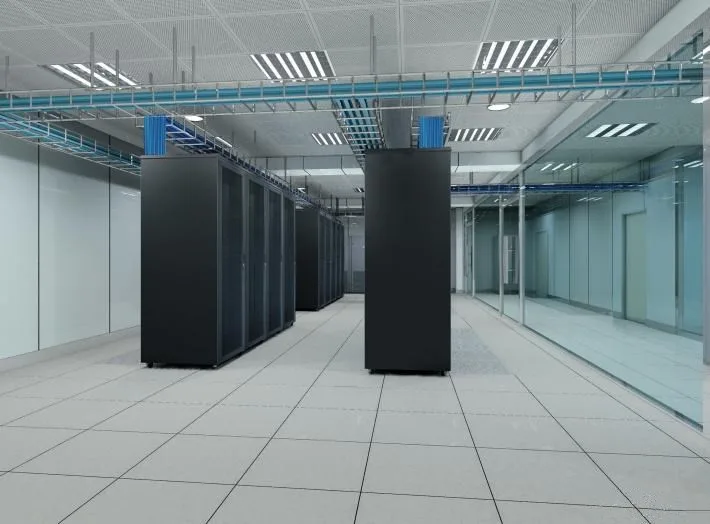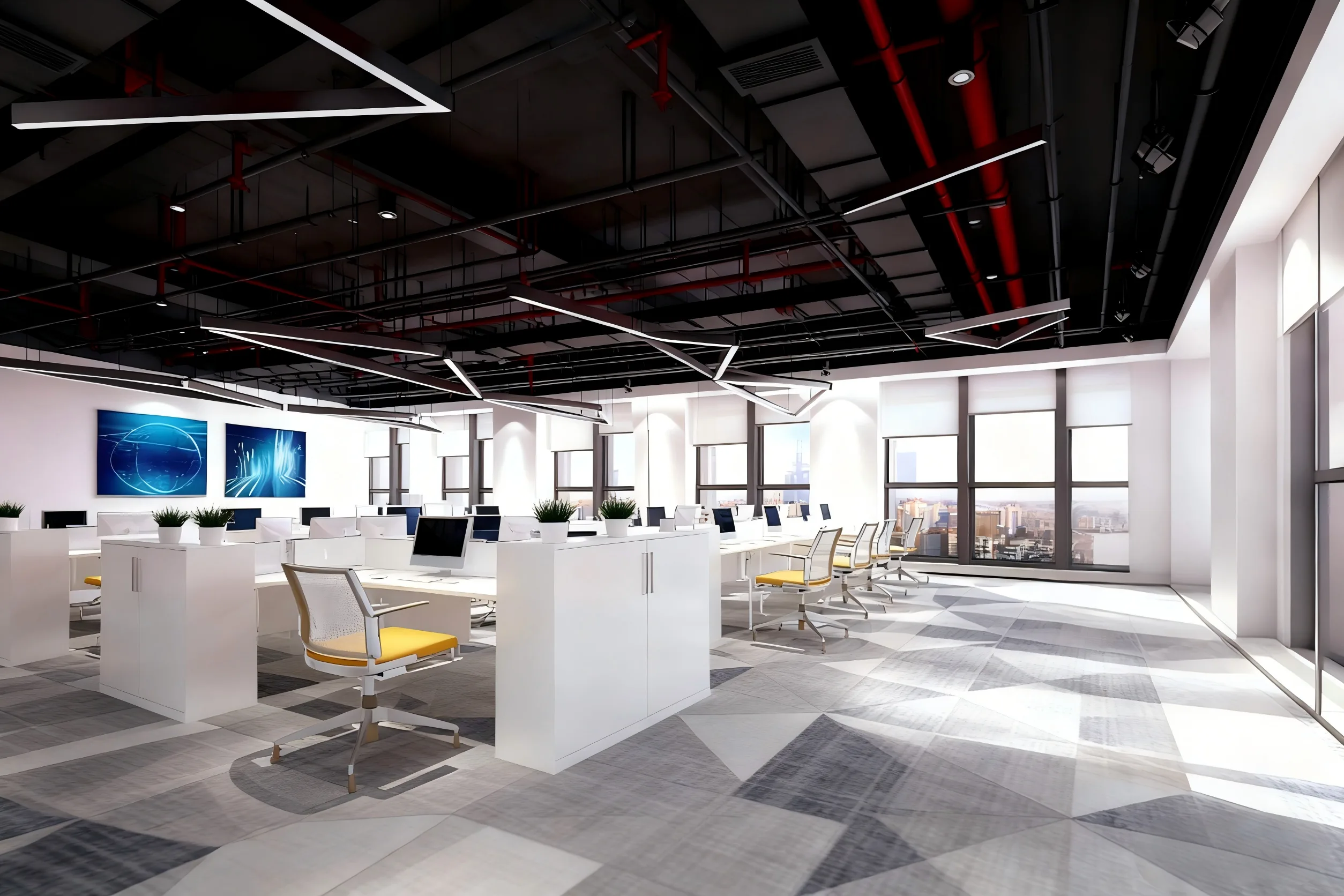
In modern office renovations, raised flooring is not just decorative flooring, but also a core building material for addressing cable management, load-bearing capacity, and environmental compatibility. Currently, there are three main types of raised flooring for offices: steel cement raised floor, fully-encased calcium sulfate flooring, and fully-encased wood core flooring. Each has its advantages and disadvantages, and choosing the right type can significantly improve the practicality and spatial quality of your office space.
1.Type Introduction
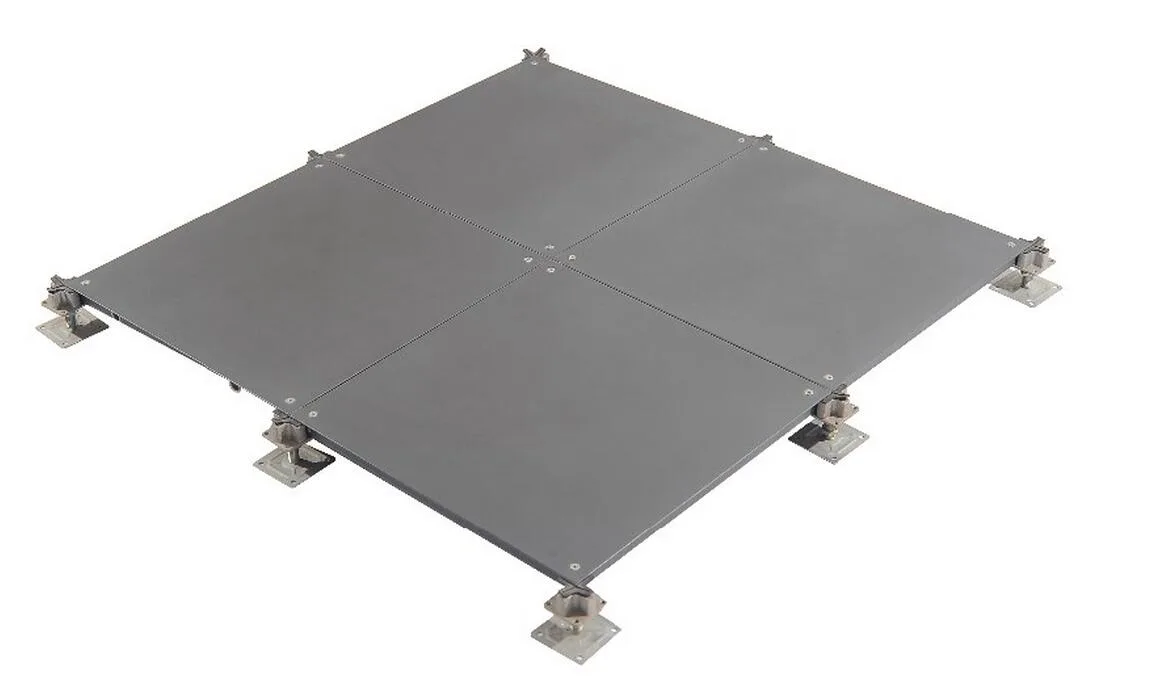
1.)Steel Cement Raised Floor
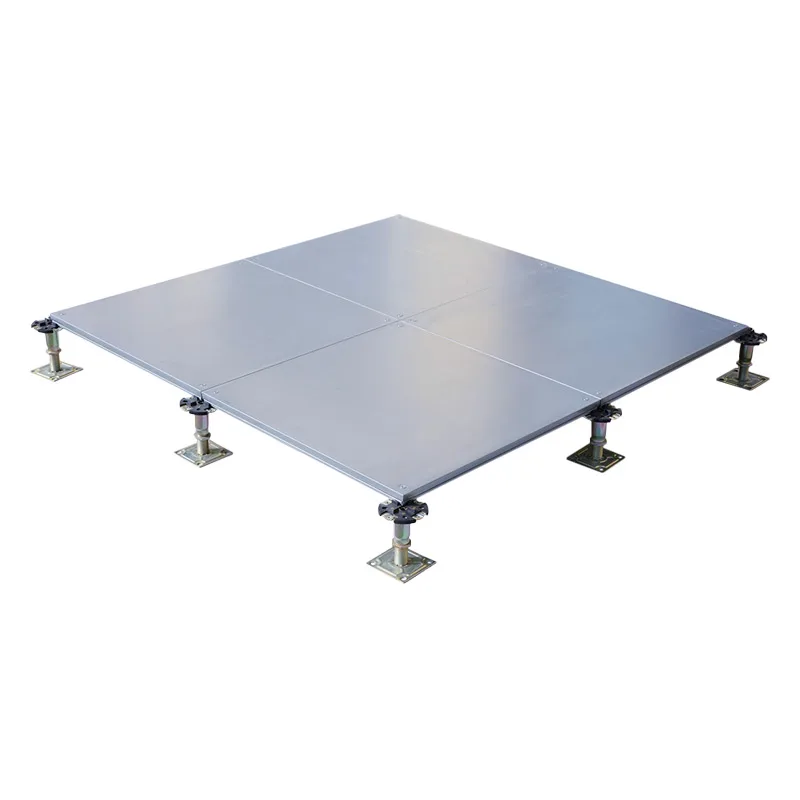
Steel cement raised floor is the “all-rounder” for office spaces. It uses cold-rolled steel plates, stamped and welded into a shell, filled with high-strength cement foam. It can withstand a concentrated load of over 1000kg, is fireproof and moisture-proof, and has a lifespan of 15-20 years, offering excellent value for money. It is relatively affordable, easy to install and maintain, not easily deformed, and has low maintenance costs. Suitable for large office areas, it is the most versatile choice.
2.)Encapsulated Calcium Sulphate Raised Floor
Encapsulated calcium sulphate raised floor prioritises environmental friendliness and quietness. The calcium sulfate core is encased in hot-dip galvanised steel, resulting in no formaldehyde release and extremely high flatness, with a tolerance of no more than 0.2mm. The dense core structure minimises gaps after installation, making footsteps quiet and suitable for quiet office environments (such as conference rooms and R&D labs). It effectively reduces noise interference while meeting environmental office requirements. The only drawback is its susceptibility to prolonged water immersion; it should be kept away from humid environments.
3.) Encapsulated Wood Core Raised Floor
Encapsulated wood core raised floor uses high-density particleboard or plywood as the base material, encased in galvanized steel sheets on all sides. It is lightweight, easy to install, and highly efficient in construction. However, it has a lower fire rating (B1 level), average moisture resistance, and is 30% more expensive than steel cement raised floor. It is better suited to areas with high stylistic requirements.
2.Comparison Table of Core Parameters for Three Types of Flooring
| Comparison Dimensions | Steel Cement Raised Floor | Encapsulated Calcium Sulphate Raised Floor | Encapsulated Woodcore Raised Floor |
| Core Material | Steel, cement core | Calcium sulphate core, hot-dip galvanized steel | Chipboard core, hot-dip galvanized steel |
| Load Capacity | Good & wide | Good | Average |
| Fire Rating | Class A | Class A | Class B |
| Moisture Resistance | Good | Poor | Poor |
| Flatness | Medium | High | Medium |
| Environmental Protection | Good | Excellent | Average |
| Price Range | Affordable | Medium | Slightly High |
3.Selection Summary
In summary, steel cement raised floor offers the best cost-performance ratio and the widest applicability. Encapsulated calcium sulfate raised floor is suitable for environmental protection and sound insulation needs, while encapsulated wood core raised floor emphasises style and texture. Choosing based on the function and core needs of the office area will help avoid selection pitfalls and ensure that the raised floor is both practical and suited to the space requirements. If you still have questions about choosing office raised flooring, please contact us.